A tungsten carbide scrap quotation is easier to compare when every offer describes the same material and delivery scope. An attractive headline amount cannot explain the lot composition, the weight basis or what happens if the received material differs from the offer. These seven checks help industrial buyers prepare a useful enquiry without relying on unverified purity claims.
1. Identify the actual lot
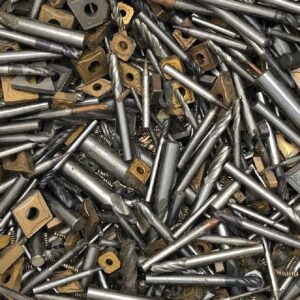
Request a lot reference, current photographs and a description of the material streams included. Ask whether the offer covers inserts, solid round tools, tips, mixed scrap or another category. Confirm whether photographs show the allocated lot or representative stock.
Keep the same lot reference on the quotation, sample report, packing list and inspection documents. If the supplier proposes a replacement lot, ask for its details before accepting the substitution. This avoids comparing a report for one batch with photographs or delivery records for another.
2. Clarify the composition and assay basis
Ask which constituents are measured and whether reported percentages refer to elemental tungsten, tungsten carbide, binder metals or another basis. Request the sampling date, method and laboratory information when analytical evidence is offered. A typical product range is different from a result for the allocated lot.
Agree how mixed grades, attached steel, coatings, moisture and foreign material affect acceptance. Do not estimate composition from colour, weight in the hand or magnetic behaviour. Ask the receiving recycler which analytical information it needs before deciding the lot suits its process.
3. Confirm the payable quantity
Separate gross shipment weight, packaging tare and net material weight. Ask which weighing record governs the transaction and whether any deductions are described in the quotation. Avoid comparing offers priced on different quantity bases as though they were identical.
For multiple packages, request individual identifiers and weights where available. Confirm the procedure for resolving a difference between dispatch and receipt weights. Preserve supporting records so both parties can relate the stated quantity to the material actually delivered.
4. Define packaging and handling
Confirm container type, package count and how the load will be secured. Ask the carrier and receiver to approve the proposed handling arrangement. Package sizes on a general listing are options to verify, not proof of the final packing configuration.
5. Agree inspection and acceptance
Specify who samples the material, which method applies and when acceptance takes place. Ask what happens if the assay, contamination or net weight falls outside the written agreement. Establish how a disputed sample is retained and reviewed if that forms part of the contract.
6. Confirm delivery responsibilities
State the destination and delivery term, then identify who arranges transport, insurance where applicable and unloading. Ask which costs are included and which may be additional. Have the parties confirm any route-specific documentation before dispatch.
Delivery labels alone do not describe every operational detail. Put the collection window, receiving contact procedure, access limits and unloading equipment arrangements into the agreed order information.
7. Ask how long the quotation remains valid
Request a validity period, payment terms and the conditions that could change the quoted amount. If a market reference is used, ask for the named reference, date and calculation method. Do not treat a past quotation as a current offer.
Your enquiry can read: “Please quote for the described lot, stating net weight, material breakdown, available assay, package configuration, inspection procedure, delivery scope and quotation validity.” Add your destination and receiver’s requirements to make the response useful.
Explore the product and buying checklist
View the tungsten carbide scrap listing and read our detailed buying guide. Contact Supreme Galaxy for current lot information, availability and a quotation for your requirements.