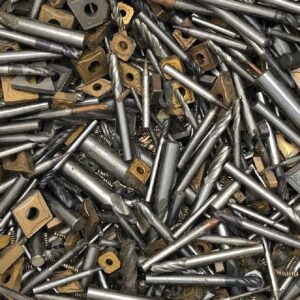
This tungsten carbide scrap buying guide explains how to make an industrial material enquiry precise. Worn inserts, solid carbide tools and mixed scrap can have different compositions and processing requirements. The useful starting point is an agreed lot description, supported by sampling and assay information that your receiving recycler can accept.
Define exactly what the lot contains
Ask whether the material consists of solid carbide inserts, drills, end mills, tips, blanks or a mixture. Request photographs and a breakdown by material type where available. Clarify whether steel-backed parts, brazed components, coatings, grinding residues or other metals are included. A broad product name does not settle these details.
Confirm whether the receiving facility accepts every material stream in the proposed shipment. Sandvik’s carbide recycling information illustrates that worn carbide tools can enter specialist recycling systems, but acceptance rules belong to the particular recycler and programme. Do not assume one company’s rules apply to every buyer.
Request an assay with a clear basis
Ask for a representative lot assay and the date, sampling method and laboratory details behind it. Confirm which components are measured, including tungsten and relevant binder metals such as cobalt or nickel. Establish whether a quoted percentage refers to elemental tungsten, tungsten carbide or another reporting basis. Those descriptions must not be treated as interchangeable.
Distinguish a typical product description from a result for the actual shipment. Ask how moisture, coatings and foreign material are handled in the calculation. Appearance, tool shape or a magnet test cannot replace an agreed sampling and analytical procedure. If documentation is incomplete, make that limitation explicit before agreeing acceptance terms.
Sort and label material streams
Keep identified material types separate where required by the receiving facility. Use clear labels and lot references so the packing list matches the contents. Ask for the receiver’s instructions for attached steel, mixed grades and unknown material rather than performing improvised removal or treatment.
Avoid mixing unidentified scrap into a documented lot. Sorting records help both parties understand what has been sampled and what will arrive. Have trained personnel follow the workplace’s handling controls; this guide is for purchasing and packing decisions, not for chemical recovery or processing.
Agree on packing and weight
Request the proposed package type, package count, gross weight, tare weight and net material weight. Confirm that drums, bags or other containers are suitable for the sharp, dense contents and transport conditions. The packer and carrier should select handling equipment and package limits appropriate to the shipment.
Ask how packages will be sealed, labelled and secured, and whether a weighbridge ticket or other weight record accompanies the load. Do not assume a general listing’s package sizes are the final shipment configuration. Keep photographs of the completed packages and match their identifiers to the packing list.
Set acceptance terms before shipping
Agree who samples the delivery, which assay method governs settlement and how differences between reported and received quality will be resolved. Document the treatment of moisture, contamination, rejected material and weight differences. Confirm the delivery term and each party’s transport and unloading responsibilities.
A useful enquiry includes material types, estimated net quantity, available assay, packing proposal, destination and the receiving facility’s requirements. Request current availability and lot-specific documents from Supreme Galaxy before finalising an order.
Ask about current availability
View Tungsten Carbide Scrap at Supreme Galaxy and request a quotation with the batch details and delivery arrangements relevant to your order. Availability and specifications should be confirmed in writing.