Tungsten carbide recycling starts long before material reaches a specialist processing facility. A workshop can make its outgoing scrap easier to describe by keeping worn tools organised, preserving their identity and recording what goes into each lot. This guide focuses on collection and documentation for industrial buyers, workshop managers and recycling coordinators.
1. Decide what belongs in the collection stream
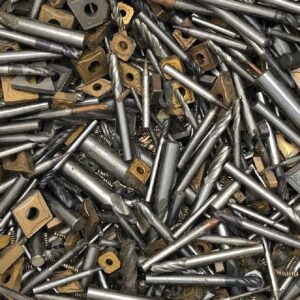
Create a written list of the material your intended recycler accepts. Worn carbide inserts and solid carbide round tools are common examples in manufacturer recycling programmes, but programme rules differ. Confirm the treatment of steel-backed tips, brazed parts, coated tools, mixed materials and unknown pieces before adding them to the same container.
Do not assume every heavy or hard cutting tool is solid carbide. Keep unidentified items aside for review by a competent person. Where a usable tool may qualify for professional reconditioning, discuss that option with its manufacturer before declaring it scrap. Acceptance and reconditioning decisions depend on the tool and provider.
2. Make separation easy at the workstation
Use suitable labelled collection containers in locations that fit the workplace’s handling procedures. Distinguish inserts from solid carbide drills and end mills where the receiving programme requests that separation. Keep other metals and general workshop waste out of the identified streams.
A simple label can include material type, department, collection start date and lot reference. Ask staff to flag unfamiliar items rather than guessing. Review the labels when tools or production processes change, so a container does not gradually become a mixture with an inaccurate description.
3. Preserve information without creating new hazards
Record known tool families, supplier information and any available material documentation. These records can help the receiver interpret the lot, although they do not replace representative analysis when an assay is required. Photograph the collected material before packing and retain a record of any mixed or uncertain contents.
Do not grind, heat, burn or chemically treat tools to prepare them for a shipment on the basis of general online advice. Have trained personnel follow the facility’s risk assessment and the recycler’s instructions. Dust, residues and attached components require their own handling assessment.
4. Consolidate and weigh the outgoing lot
Agree the final packaging with the recycler and carrier. Dense, sharp material needs containers suitable for its contents and a handling method appropriate to the workplace. Confirm package limits with the parties involved rather than copying limits from another recycling programme.
Record package count, gross weight, packaging tare and net material weight. Give each package a clear identifier that appears on the packing list. If several collection streams are consolidated, document what was combined and keep any required separation intact.
5. Make the recycling enquiry specific
Send a concise description of the material types, estimated net quantity, known attachments or contaminants, available photographs and proposed collection location. Ask about acceptance criteria, sampling, packing, transport and the documents needed at receipt. Confirm current terms directly with the receiving facility.
Sandvik Coromant describes specialist recycling of worn inserts and round tools. Its programme is a useful example of organised industrial recovery; it does not establish that another supplier or shipment participates in that programme. Keep supplier-specific arrangements separate from general recycling information.
Frequently asked questions
Can mixed carbide tools be recycled? Ask the intended recycler which mixtures it accepts and how they should be separated. Do photographs prove composition? No; images help describe the material, while analytical acceptance needs an agreed sampling method. Should a workshop quote a guaranteed recovery rate? Only if it has evidence applicable to the specific process and material.
Explore the product and buying checklist
View the tungsten carbide scrap listing and read our detailed buying guide. Contact Supreme Galaxy for current lot information, availability and a quotation for your requirements.