Bulk Copper Wire Scrap Orders: 6 Documents to Check Before Dispatch

Bulk copper wire scrap orders benefit from documents that describe the same material from quotation through receipt. A neat invoice is useful, but buyers also need to understand the specification, evidence, weights and delivery arrangements behind it. This checklist helps purchasing and receiving teams identify gaps before a shipment leaves the supplier. 1. The agreed…


Bare vs Insulated Copper Wire Scrap: What Buyers Should Compare

Comparing bare vs insulated copper wire scrap begins with what is included in the shipment. A load of exposed copper wire and a load of cable with its covering still attached are different material streams. Buyers should compare them through a clear specification and receiving process rather than relying on a trade name or an…

Tungsten Carbide Scrap Quotation: 7 Details to Confirm Before Ordering

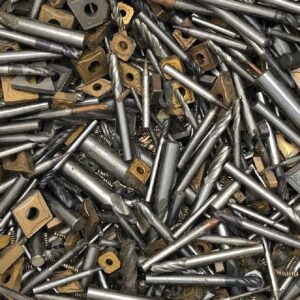
A tungsten carbide scrap quotation is easier to compare when every offer describes the same material and delivery scope. An attractive headline amount cannot explain the lot composition, the weight basis or what happens if the received material differs from the offer. These seven checks help industrial buyers prepare a useful enquiry without relying on…

Tungsten Carbide Recycling: From Worn Tools to an Organised Scrap Lot

Tungsten carbide recycling starts long before material reaches a specialist processing facility. A workshop can make its outgoing scrap easier to describe by keeping worn tools organised, preserving their identity and recording what goes into each lot. This guide focuses on collection and documentation for industrial buyers, workshop managers and recycling coordinators. 1. Decide what…

Copper Wire Scrap Buying Guide: Grades, Quality and Delivery

This copper wire scrap buying guide helps industrial buyers turn a general product description into an agreement that can be inspected and verified. Labels such as Millberry or No. 1 copper should lead to specific questions about the material, contamination and acceptance criteria. Confirm the actual lot before arranging a bulk shipment. Agree on a…

Tungsten Carbide Scrap Buying Guide: Sorting, Assay and Packing

This tungsten carbide scrap buying guide explains how to make an industrial material enquiry precise. Worn inserts, solid carbide tools and mixed scrap can have different compositions and processing requirements. The useful starting point is an agreed lot description, supported by sampling and assay information that your receiving recycler can accept. Define exactly what the…

Used Shipping Container Buying Guide: Inspection and Delivery

This used shipping container buying guide helps you assess a container for your intended use before arranging delivery. A container for stationary storage and one intended for international freight can require different evidence. Begin with the job it must do, then confirm the condition and identity of the specific unit offered. Match the container to…

Dry vs Green Firewood: Buying, Moisture Testing and Storage

Understanding dry vs green firewood helps you choose logs for immediate use or for storage while they dry. The word “dry” in an advert is a starting point for questions, not a substitute for checking moisture. Match your order to your appliance, available storage and the time before you intend to burn it. Decide when…

Wood Pellets Buying Guide: Quality, Compatibility and Storage

This wood pellets buying guide explains what to confirm before ordering heating fuel and how to protect it after delivery. A good purchase starts with your appliance manual, a clear batch specification and enough dry storage space. The lowest bag price is only useful when the pellets suit your equipment and arrive in usable condition….

Philips LatteGo Cleaning: A Practical Daily and Weekly Routine

Philips LatteGo cleaning is easier when small tasks are built into everyday use. This guide helps owners organise a routine, while the manual for the exact machine model determines cleaning cycles, compatible products and dishwasher-safe parts. Identify the machine and parts Find the full model code and keep its manual accessible. Separate milk-system cleaning, brew-group…

End of content

End of content